
The Polish camera equipment market is integrated into the European distribution network, which means most major camera brands — Canon, Nikon, Sony, Fujifilm, Panasonic, Olympus/OM System — are available through authorised distributors and carry a standard two-year EU warranty. However, the practical experience of purchasing and servicing camera equipment in Poland has specific characteristics worth understanding before making a significant purchase.
Authorised Distribution and EU Warranty
Equipment purchased from authorised Polish retailers carries a full EU warranty, which under Polish consumer law (ustawa o prawach konsumenta) includes a two-year statutory guarantee. This applies to purchases from Polish brick-and-mortar retailers and Polish-registered online shops. Equipment imported privately — purchased abroad or from non-EU sellers — may not be covered under the same terms, and the manufacturer's service network may not accept it for warranty repairs.
Major Polish retailers that stock camera equipment under authorised distribution include large electronics chains and specialist photography shops concentrated in Warsaw, Kraków, Wrocław, Poznań, and Gdańsk. Online retailers operating within Poland and registered for Polish VAT also typically carry authorised stock.
When purchasing from an online marketplace with multiple sellers, confirm that the specific seller is an authorised dealer for the brand in question. Grey market equipment — imported from outside the EU — may carry a manufacturer's international warranty that Polish service centres decline to honour.
DSLR vs. Mirrorless in the Current Market
The camera industry has shifted its primary development focus to mirrorless systems across all major manufacturers. As of 2024–2025, Canon, Nikon, and Sony have all publicly stated that their major future lens and body development will be concentrated on their respective mirrorless mounts (RF, Z, and E). This does not make DSLR systems obsolete — existing EF, F, and A-mount lenses remain optically excellent — but it affects the long-term ecosystem calculus for buyers considering new systems.
DSLR advantages in the Polish context
Used DSLR equipment circulates in large volume in Poland's second-hand market — through classified platforms, photography forums, and specialist used-equipment shops. For photographers building a system on a limited budget, this means access to a wide range of well-maintained Canon EF and Nikon F lenses at prices significantly below the current mirrorless equivalent.
DSLR bodies also have longer battery life than most mirrorless equivalents, which is relevant for outdoor photography during cold Polish winters, when battery performance degrades. An optical viewfinder does not draw power in the same way an electronic viewfinder does.
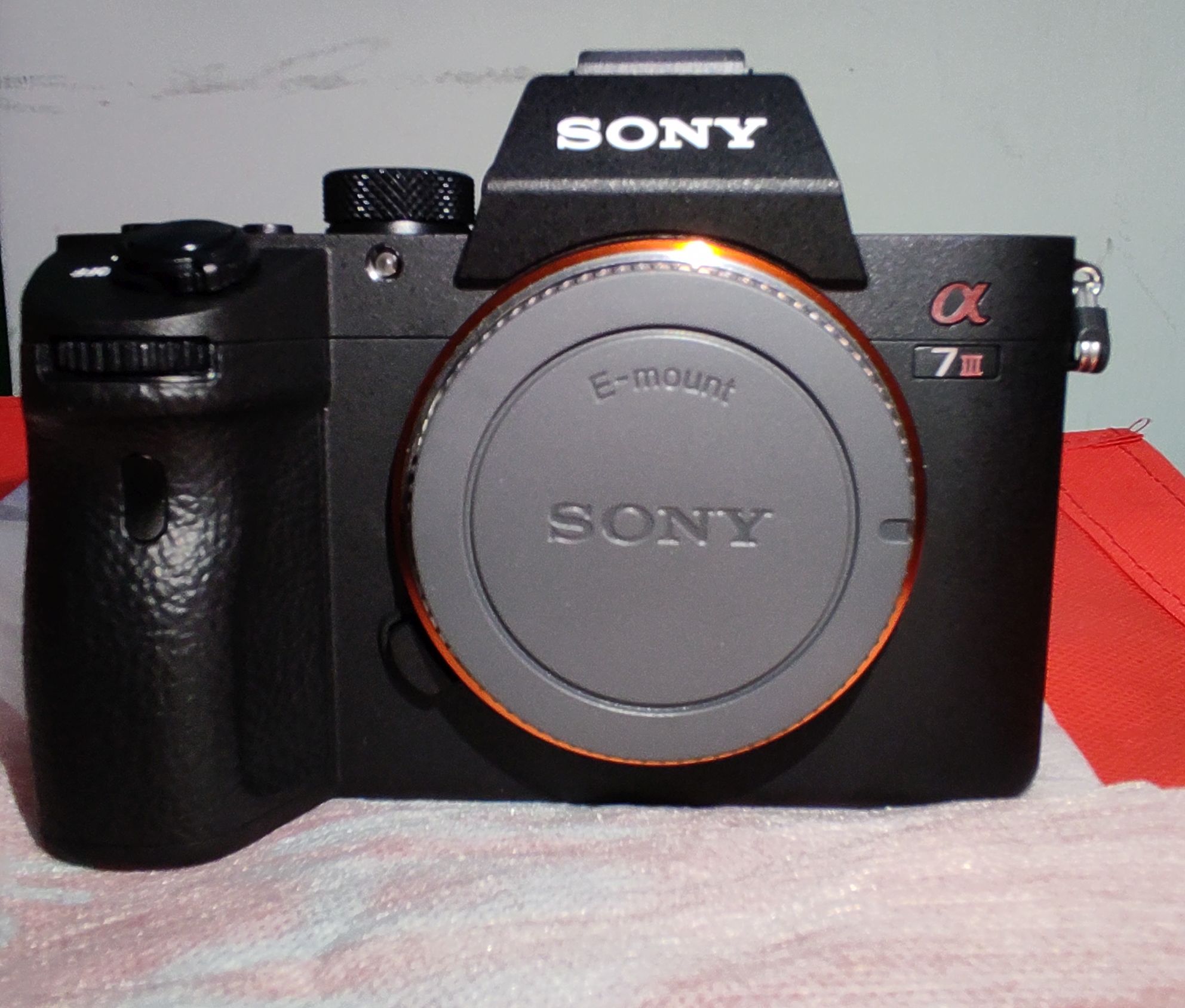
Mirrorless advantages
Current mirrorless systems generally offer better autofocus performance for moving subjects, particularly for eye-tracking and subject-detection autofocus. They are also lighter, which matters for photographers who carry gear on foot — relevant in Poland's mountain regions (Tatry, Sudety, Bieszczady) and urban environments where carrying a large DSLR kit attracts attention.
The electronic viewfinder shows a real-time preview of exposure, white balance, and depth of field, which reduces the number of test shots needed to achieve the intended result — useful for photographers transitioning from smartphone to dedicated camera.
Lens Selection: What to Prioritise
For most photographers, the lens matters more than the camera body for image quality. A moderate-quality body with a high-quality prime lens will generally produce better images than an expensive body with a cheap zoom lens, because the optics determine sharpness, contrast, chromatic aberration, and bokeh quality.
Recommended starting points
A 50mm prime lens (or the crop-sensor equivalent, approximately 35mm) is the most common recommendation for photographers learning the technical and compositional aspects of photography simultaneously. It produces a field of view close to natural human vision, handles low light reasonably well at f/1.8 or f/1.4, and is available from all major manufacturers at relatively modest prices.
For landscape and architectural photography — genres with strong opportunities in Poland given the range of terrain and the density of historic architecture — a wide-angle zoom in the 16–35mm or 10–20mm range (depending on sensor size) is the more relevant starting point.
Service and Repair in Poland
Authorised service centres for major brands operate in Poland's largest cities. Canon, Nikon, and Sony each have official service arrangements in Poland, either through company-owned service facilities or authorised third-party service partners. For equipment under warranty, repairs at these centres are typically covered without cost for manufacturing defects.
Independent camera repair technicians also operate in Poland, particularly in Warsaw and Kraków. These are relevant for out-of-warranty repairs, sensor cleaning, and older equipment that is no longer supported by the manufacturer's official service network.
Sensor dust accumulates on mirrorless cameras more quickly than on DSLRs because the sensor is directly exposed when changing lenses. Professional sensor cleaning is available at most authorised service centres in Poland and costs in the range of a standard service appointment. Self-cleaning kits are available but carry a risk of sensor damage if used incorrectly.
Renting Equipment in Poland
Camera rental businesses operate in Warsaw, Kraków, and several other major Polish cities. Renting allows photographers to test equipment before committing to a purchase, or to use specialised equipment — long telephoto lenses, tilt-shift lenses, large-format lighting kits — for specific projects without the cost of ownership.
For photographers based in smaller Polish cities or rural areas, some rental companies offer postal delivery and return. Verification requirements and rental terms vary by company.
Further Reading
Technical specifications for current camera systems are published by manufacturers and independently tested by organisations such as the DXOMark laboratory, which publishes sensor performance measurements for cameras and lenses. Polish consumer rights in equipment purchases are governed by the Consumer Rights Act (ustawa o prawach konsumenta, Dz.U. 2014 poz. 827).